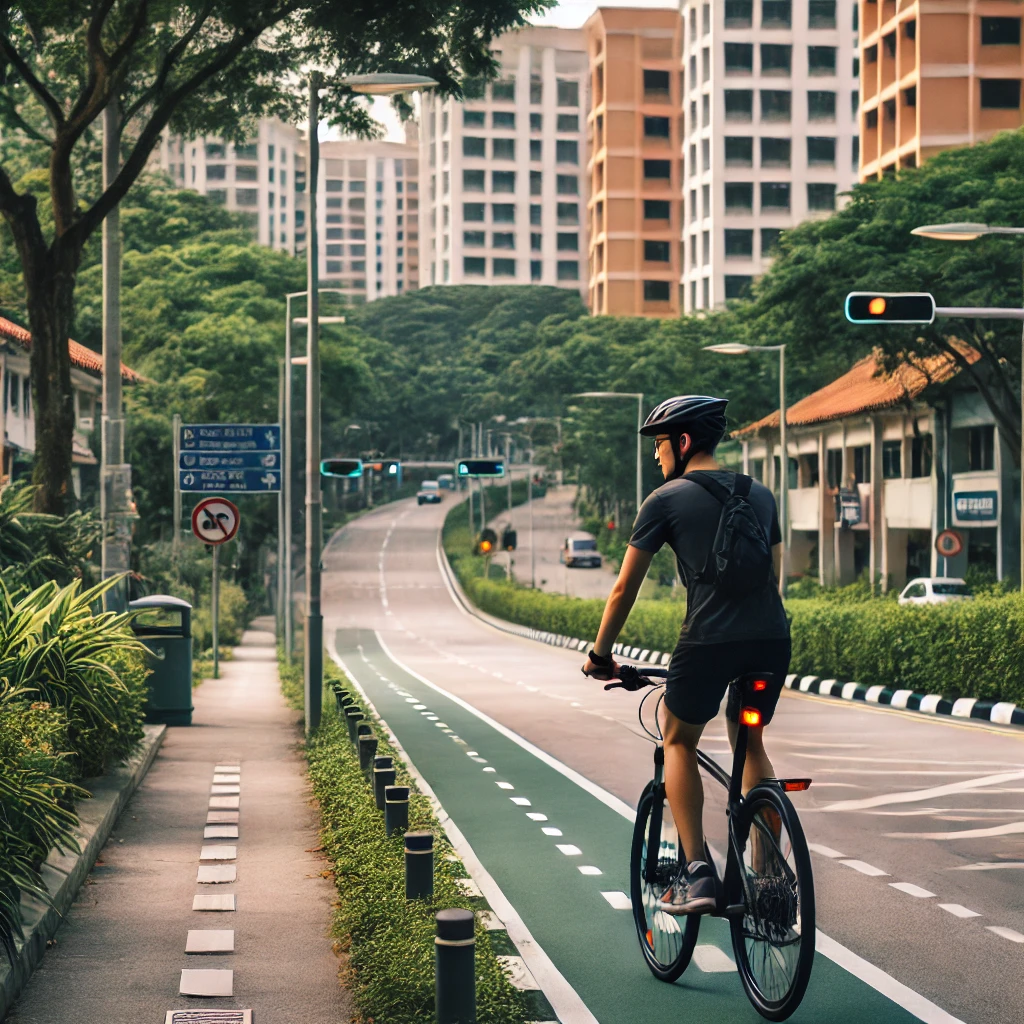
Safety in Cycling
Cycling is more than just a mode of transportation—it’s a lifestyle, a way to stay fit, and a means to reduce our carbon footprint. But as much as I love cycling, I can’t ignore the risks that come with it. The recent tragedy in Tampines, where a cyclist lost their life after a collision with a car, has left me deeply reflective about the importance of safety on the road. This incident is a stark reminder that while cycling offers numerous benefits, it also comes with vulnerabilities. As someone who cycles regularly, I feel compelled to share my thoughts on how we can make our roads safer for everyone. In this blog post, I’ll discuss the Tampines accident, the challenges cyclists face, and practical tips to ensure safety for both cyclists and drivers.
The Tampines Accident: A Tragic Reminder
The accident in Tampines has shaken the cycling community in Singapore. A cyclist was involved in a collision with a car, resulting in fatal injuries. The driver, a 20-year-old man, was arrested for suspected dangerous driving. While the details of the accident are still under investigation, this incident highlights the fragility of life and the need for greater vigilance on the road. As a cyclist, I can’t help but feel a sense of vulnerability when I hear about such accidents. Unlike drivers, cyclists have no protective shell around them. A moment of carelessness or a split-second mistake can have devastating consequences.
The Challenges of Cycling in Singapore
Singapore has made significant progress in promoting cycling as a sustainable and healthy mode of transport. The government has invested in cycling paths, bike-sharing schemes, and initiatives to encourage more people to cycle. However, there are still challenges that need to be addressed to ensure the safety of cyclists.
1. Limited Cycling Infrastructure
While there are dedicated cycling paths in some areas, many roads still lack proper cycling lanes. This forces cyclists to share space with vehicles, increasing the risk of accidents.
2. Driver Awareness
Not all drivers are accustomed to sharing the road with cyclists. Some may not know how to navigate around cyclists safely, leading to risky overtaking maneuvers and close calls.
3. Visibility Issues
Cyclists can be difficult to spot, especially at night or during heavy rain. Poor visibility is a major factor in many accidents involving cyclists.
4. Reckless Behavior
Both cyclists and drivers can sometimes be guilty of reckless behavior. Speeding, running red lights, and distracted driving or cycling are all contributing factors to accidents.
How Can We Improve Cycling Safety?
The Tampines accident is a wake-up call for all of us. Improving cycling safety requires a collective effort from cyclists, drivers, and policymakers. Here are some steps we can take to make our roads safer:
1. Expand Cycling Infrastructure
One of the most effective ways to improve cycling safety is to expand and maintain dedicated cycling lanes. Separating cyclists from vehicular traffic can significantly reduce the risk of accidents.
2. Educate Road Users
Education is key to fostering a culture of mutual respect on the road. Campaigns that educate both drivers and cyclists about road safety rules and best practices can go a long way in preventing accidents.
3. Enforce Stricter Penalties
Harsher penalties for reckless driving and cycling violations can deter unsafe behavior. This includes speeding, running red lights, and driving under the influence.
4. Promote Visibility
Cyclists should be encouraged to wear reflective clothing and use lights, especially when cycling at night. Drivers, on the other hand, should be reminded to check their blind spots and be extra cautious in low-visibility conditions.
Tips for Cyclists to Stay Safe
As a cyclist, I’ve learned that safety starts with me. Here are some practical tips I always follow to ensure my safety on the road:
1. Wear a Helmet
A helmet is your first line of defense in case of an accident. Never ride without one, no matter how short the distance.
2. Use Lights and Reflectors
If you’re cycling at night or in low-visibility conditions, make sure your bike is equipped with front and rear lights. Reflective gear can also help you stand out.
3. Follow Traffic Rules
Cyclists are required to obey traffic signals and signs, just like drivers. This includes stopping at red lights and giving way to pedestrians.
4. Stay Alert
Avoid distractions like using your phone or listening to music while cycling. Keep an eye out for vehicles, pedestrians, and potential hazards.
5. Choose Safe Routes
Whenever possible, opt for roads with cycling lanes or less traffic. Apps like Google Maps can help you plan safer routes.
Tips for Drivers to Share the Road Safely
Drivers also have a responsibility to ensure the safety of cyclists. Here are some ways drivers can contribute:
1. Maintain a Safe Distance
Give cyclists plenty of space when overtaking. A minimum distance of 1.5 meters is recommended.
2. Check Blind Spots
Always check your blind spots before changing lanes or making turns, as cyclists can be easy to miss.
3. Be Patient
Cyclists may move slower than vehicles, but they have just as much right to be on the road. Avoid honking or aggressive maneuvers.
4. Watch for Cyclists at Intersections
Many accidents occur at intersections. Take extra care to look for cyclists before proceeding.
5. Stay Sober and Focused
Driving under the influence or while distracted significantly increases the risk of accidents.
Conclusion: A Shared Responsibility
The tragic accident in Tampines is a sobering reminder that road safety is a shared responsibility. Whether you’re a cyclist or a driver, we all have a role to play in creating a safer environment for everyone. By following the tips outlined above and advocating for better infrastructure and awareness, we can help prevent such incidents in the future. Let’s work together to make Singapore’s roads safer for all. If you found this post helpful, please share it with your friends and family. Together, we can spread awareness and make a difference.
Disclaimer: The information provided in this blog post is based on publicly available reports and personal insights. It is not intended to replace professional advice. Always prioritize safety and follow local traffic laws.